
What Does a Tour Operator Do? A Career Guide to Tour Operations in Sri Lanka
· 4 min read · StudyWay Editorial
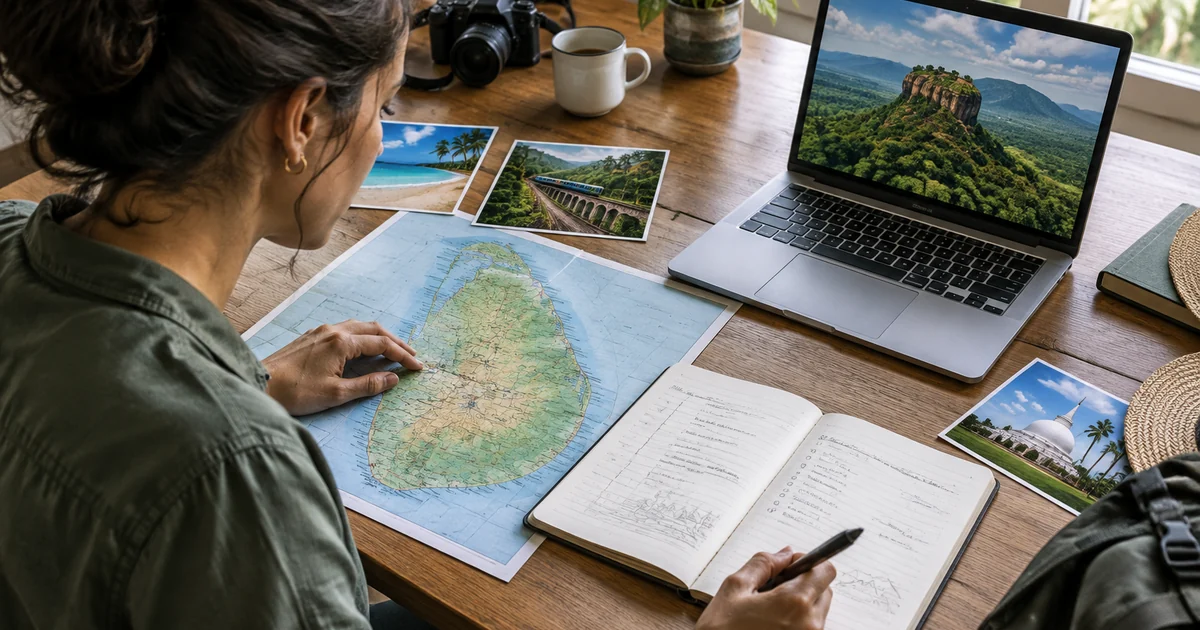
Quick answer: A tour operator designs and runs a complete trip. It plans the route, books hotels, arranges transport and a driver or guide, organises activities such as safaris and train tickets, and supports travellers while they are on the road. For a tailor-made Sri Lanka trip, the process usually runs from a first enquiry, to a free draft itinerary, to changes, a written confirmation, and support from arrival to departure.
Most people book flights and hotels online themselves, so why use a tour operator at all? In a country like Sri Lanka, where roads are slow, distances are deceptive and the best experiences depend on local knowledge, a good operator saves time, avoids mistakes and handles problems when plans change. This guide explains what tour operators actually do, using a tailor-made Sri Lanka trip as an example.
Tour operator, travel agent or DMC?
These terms are often mixed up:
- A travel agent mainly sells and books travel products, such as flights, hotels and packages, often from several suppliers.
- A tour operator designs its own trips and runs them, putting together hotels, transport, guides and activities into one itinerary.
- A destination management company (DMC) is a local company that handles the on-the-ground arrangements in one country, often for overseas agents.
In Sri Lanka, many local companies do all three. They design trips, book everything and look after travellers during the trip.
Step 1: The enquiry
It starts with a message or form. The traveller shares their dates, the number of people, their interests (culture, wildlife, beaches, food), the style of hotel and any special needs, such as young children, mobility needs or dietary requirements.
Step 2: The draft itinerary
The operator turns this into a day-by-day plan. When you contact a local Sri Lanka tour operator, the first step is usually a free draft itinerary based on your dates. A good draft considers:
- Realistic drive times: in the hill country, short distances can take hours.
- The weather by region: the south and west coasts are best from December to April, the east coast from about May to September.
- The order of places: to avoid backtracking.
- Opening times and timing: for example, climbing Sigiriya early, or a morning safari.
- Rest time: after long flights and long drives.
Step 3: Changes and choices
The traveller reviews the plan and asks for changes: more beach days, a different safari park, a cooking class or a cheaper hotel in one place. This back-and-forth often takes a few rounds. A good operator explains the trade-offs honestly, for example that adding a park means an extra long drive.
Step 4: Booking and confirmation
Once the plan is agreed, the operator books hotels, reserves train seats, plans safari jeeps and assigns a driver or chauffeur-guide. The traveller should receive a written confirmation that clearly lists:
- The full day-by-day itinerary.
- Every hotel and room type.
- What is included and what is not (entrance fees, meals, tips).
- Payment terms and the cancellation policy.
- Emergency contact numbers.
Step 5: During the trip
This is where a local operator really matters. On a private tour, the chauffeur-guide drives, explains the sights, helps with tickets and recommends places to eat. Behind the scenes, the office team watches the bookings and steps in if something changes: a train is cancelled, a road closes after heavy rain, or a traveller falls ill.
Step 6: After the trip
Good operators ask for feedback and learn from it. Many of their new bookings come from recommendations by past guests.
The skills a tour operator needs
For students thinking about tourism careers, tour operations combine many skills:
- Geography and local knowledge.
- Customer service and clear communication.
- Languages.
- Organisation and attention to detail.
- Problem-solving under pressure.
- Basic finance and contracting with hotels and suppliers.
- Digital skills, such as websites, messaging and online marketing.
What tourism and hospitality students can learn
- Tour operations: the full process from enquiry to itinerary, booking, delivery and feedback.
- Supplier management: working with hotels, transport providers and activity partners.
- Customer communication: writing clear itineraries and confirmations.
- Problem-solving: handling changes such as cancelled trains or weather disruption.
To explore courses in this field, see StudyWay's Hospitality & Events courses.
Frequently asked questions
What is the difference between a tour operator and a travel agent?
A tour operator designs and runs trips. A travel agent mainly sells travel products. In Sri Lanka, many local companies do both.
Is it cheaper to book directly with a local tour operator?
It can be, because there is no overseas middleman. It also gives you direct contact with the people running your trip.
What should be in a tour confirmation?
The full itinerary, hotels, inclusions and exclusions, payment terms, the cancellation policy and emergency contacts.
Do tour operators help during the trip?
Good ones do, with a driver or guide on the ground and an office team ready to change plans if needed.
What qualifications do I need to work for a tour operator?
Many people start with a travel and tourism diploma or a hospitality qualification, plus strong English and customer service skills. Additional languages are a big advantage.
Related tourism guides
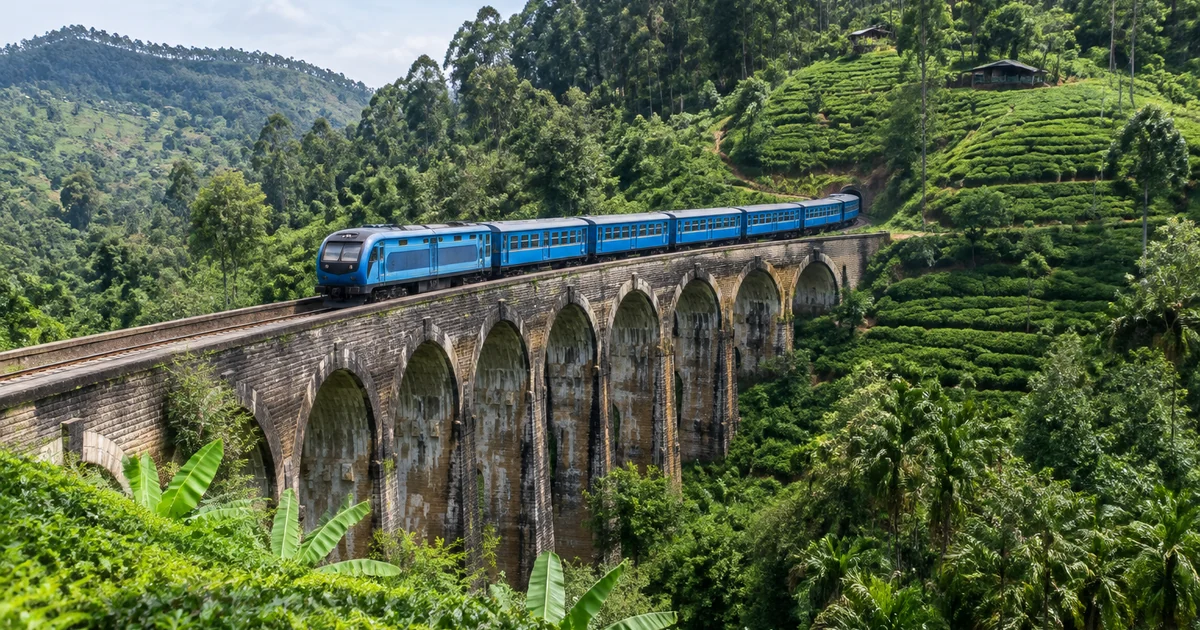
How to Plan a Trip to Sri Lanka: An Itinerary Planning Guide for Tourism Students
Learn itinerary planning with Sri Lanka as a case study: seasons by region, trip length, route design, visas and booking order, explained for tourism students and travellers.
Read guide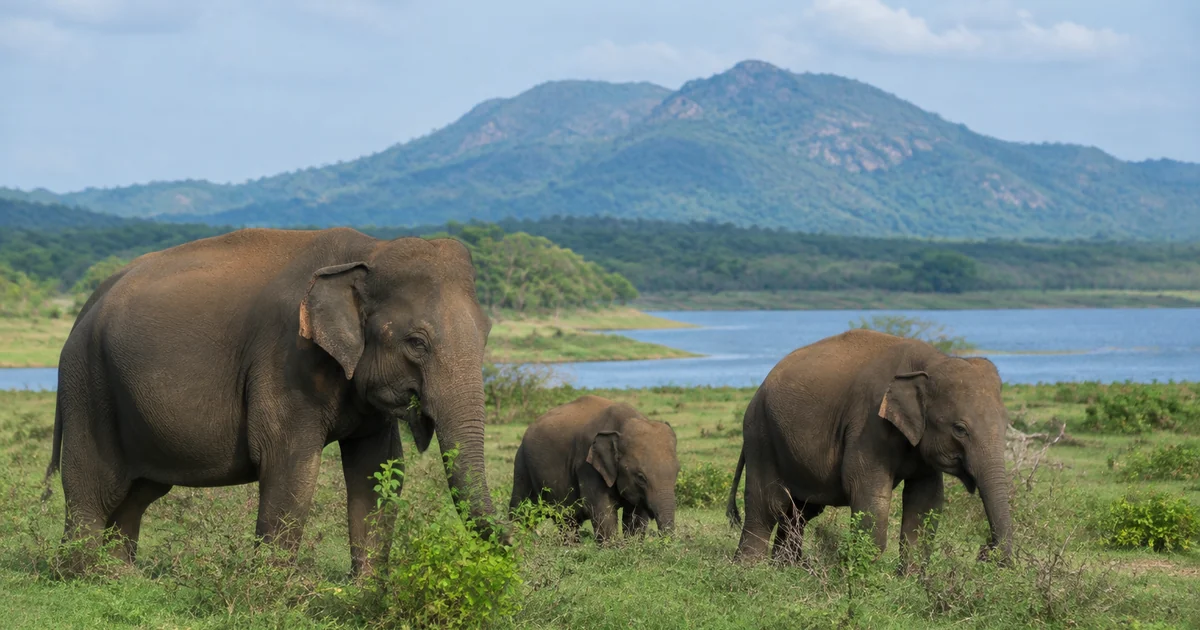
Sri Lanka's National Parks: A Study Guide to Wildlife, Conservation and Ecotourism
A study guide to Sri Lanka's national parks: Yala, Wilpattu, Udawalawe, Minneriya and Kumana, human-elephant conflict, ecotourism and responsible visiting.
Read guide
Sri Lanka Tourism Industry 2026: Statistics, Top Markets and Career Opportunities
Sri Lanka welcomed over 2.3 million tourists in 2025. Key statistics, the top source markets, industry trends and the careers and skills students need in tourism.
Read guide