
Sri Lanka's National Parks: A Study Guide to Wildlife, Conservation and Ecotourism
· 4 min read · StudyWay Editorial
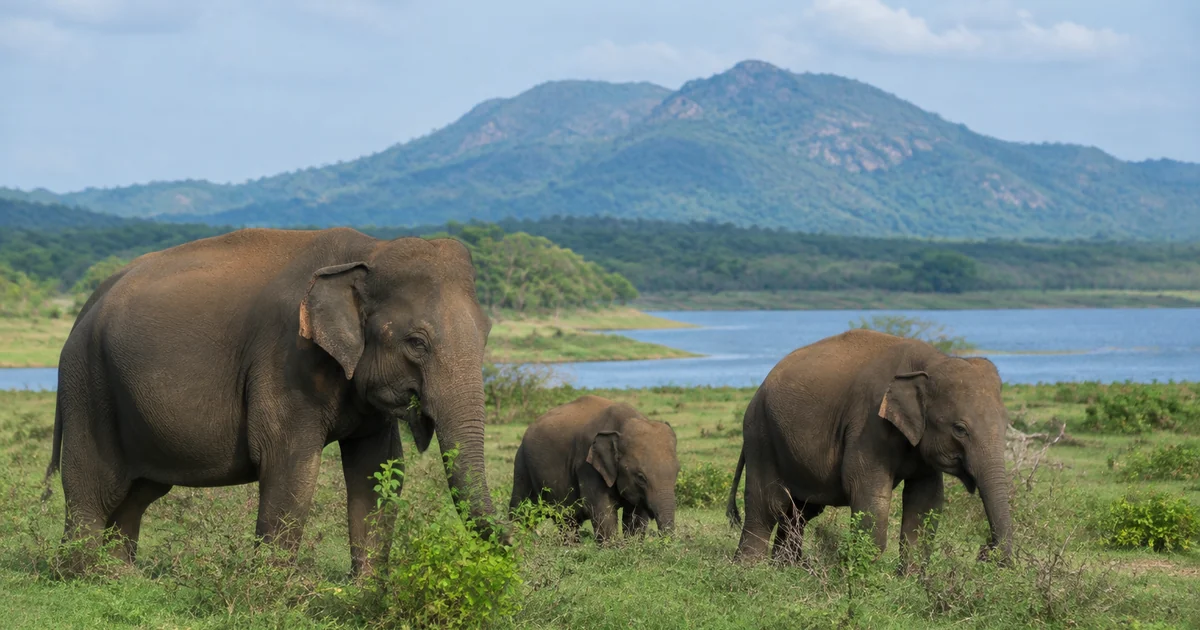
Quick answer: Sri Lanka's best-known national parks are Yala (leopards), Wilpattu (leopards and sloth bears in a quieter setting), Udawalawe (wild elephants), Minneriya (large elephant gatherings in the dry season) and Kumana (birds). To visit responsibly, choose a safari driver who keeps a respectful distance, never feed animals, stay inside the jeep and avoid elephant rides.
For a small island, Sri Lanka has remarkable wildlife: Asian elephants, leopards, sloth bears, crocodiles, hundreds of bird species and many animals found nowhere else on Earth. Most of it is protected in national parks managed by the Department of Wildlife Conservation. This guide explains the main parks, what you can see and how to visit in a way that protects them.
The main national parks
Yala National Park
Yala, in the south-east, is the most visited park in Sri Lanka and is famous for its leopards. It mixes scrub jungle, lagoons and rocky outcrops close to the sea. Elephants, sloth bears, crocodiles and many birds also live here. Parts of the park usually close for a few weeks around September and October to give the wildlife a rest.
Wilpattu National Park
Wilpattu, in the north-west, is Sri Lanka's largest national park. It is known for its natural lakes, called "villus", and for leopards and sloth bears. Because it is larger and quieter than Yala, safaris here feel more remote.
Udawalawe National Park
Udawalawe is the best park for seeing wild elephants up close, as herds graze in open grassland around the reservoir. Nearby, the Elephant Transit Home cares for orphaned calves until they can return to the wild.
Minneriya and Kaudulla
In the Cultural Triangle, Minneriya is famous for "The Gathering". During the dry season, often from around July to September, large numbers of elephants come to graze around the shrinking reservoir. Neighbouring Kaudulla is linked by an elephant corridor.
Kumana National Park
On the east coast, Kumana is known for its birdlife, especially around its wetlands during the migration season. It is quieter than the southern parks.
Why conservation matters
Sri Lanka's wildlife faces real pressures. Human-elephant conflict is one of the biggest issues: as farms and villages expand, elephants lose habitat and sometimes raid crops, which can lead to injuries on both sides. Busy parks also face crowding, with too many jeeps gathering around a single leopard sighting.
Visitors can help by choosing responsible operators and following park rules.
How to visit responsibly
- Choose a responsible safari. Good drivers keep a safe distance, switch off engines near animals and don't race to sightings. Most wildlife safari tours in Sri Lanka combine two parks, such as Yala for leopards and Udawalawe for elephants, which also spreads visitors across more than one park.
- Stay inside the vehicle. Getting out is not allowed and can be dangerous.
- Never feed animals. Feeding changes their behaviour and can make them aggressive.
- Keep noise low. Speak quietly and avoid flash photography.
- Avoid elephant rides. See elephants in the wild instead.
- Take your rubbish with you. Plastic is a serious danger to wildlife.
Best time for safaris
- Morning safaris (from around dawn) and afternoon safaris (late afternoon) are best, when animals are most active.
- Yala and Udawalawe can be visited most of the year, apart from Yala's usual closure around September and October.
- Minneriya is best in the dry season for the elephant gathering.
- Wilpattu is best in the drier months.
What tourism and hospitality students can learn
- Ecotourism: how wildlife tourism can fund conservation, and how overcrowding can harm it.
- Human-wildlife conflict: a major environmental topic in Sri Lanka, useful for geography, environmental science and sustainability studies.
- Carrying capacity: why limiting jeeps and seasonal closures, such as Yala's, protect a park.
- Responsible tourism practice: codes of conduct that guides and operators follow.
To explore courses in this field, see StudyWay's Hospitality & Events courses.
Frequently asked questions
Which national park is best for leopards in Sri Lanka?
Yala is the best-known park for leopards. Wilpattu is a quieter alternative.
Where can I see the most elephants in Sri Lanka?
Udawalawe has elephants all year, and Minneriya has large gatherings in the dry season.
Are elephant rides ethical?
Most conservation groups advise against them. Watching elephants in the wild is the responsible choice.
How long is a safari?
Half-day safaris usually last three to four hours. Full-day safaris are also available in some parks.
Which courses cover ecotourism and conservation?
Tourism management, environmental science, geography and sustainability courses often include ecotourism, protected-area management and wildlife conservation.
Related tourism guides
How to Plan a Trip to Sri Lanka: An Itinerary Planning Guide for Tourism Students
Learn itinerary planning with Sri Lanka as a case study: seasons by region, trip length, route design, visas and booking order, explained for tourism students and travellers.
Read guide
Sri Lanka Tourism Industry 2026: Statistics, Top Markets and Career Opportunities
Sri Lanka welcomed over 2.3 million tourists in 2025. Key statistics, the top source markets, industry trends and the careers and skills students need in tourism.
Read guide
Romance and Honeymoon Tourism in Sri Lanka: The Most Romantic Places Explained
How romance and honeymoon tourism works in Sri Lanka: the most romantic destinations, the best seasons and what hospitality and tourism students can learn from this market.
Read guide