
How to Plan a Trip to Sri Lanka: An Itinerary Planning Guide for Tourism Students
· 5 min read · StudyWay Editorial
Quick answer: To plan a first trip to Sri Lanka, choose your dates by region (the south and west coasts are best from December to April, the east coast from about May to September), allow 10 to 14 days for the classic route through the Cultural Triangle, the hill country, a national park and the south coast, apply for your ETA online before you fly, and decide early whether you want a ready-made package or a tailor-made trip with a driver.
Sri Lanka is small enough to cross in a day, yet it packs ancient cities, tea-covered mountains, wildlife parks and long beaches into one island. That variety is exactly why first-time visitors find it hard to plan. This guide breaks the process into simple steps.
Step 1: Choose when to go
Sri Lanka has two monsoons that affect different parts of the island at different times, so there is almost always somewhere with good weather.
- December to April: the best time for the south and west coasts (Galle, Mirissa, Bentota) and the hill country. This is the main holiday season.
- May to September: the east coast (Trincomalee, Pasikuda, Arugam Bay) is at its best, while the south and west see more rain.
- October and November: a changeable period across much of the island, with showers in many areas but fewer visitors.
The Cultural Triangle in the dry zone (Sigiriya, Dambulla, Polonnaruwa) can be visited most of the year.
Step 2: Decide how many days you need
- 5 to 7 days: enough for one region, such as the Cultural Triangle and Kandy, or the south coast with a safari.
- 10 days: the classic first trip: ancient cities, Kandy, the hill country and the south coast.
- 14 days or more: adds a second national park, more beach time or the east coast.
Remember that travel is slower than distances suggest. A 100 km drive in the hills can take three hours.
Step 3: Plan a route
A popular first-time route runs in a loop:
- Negombo or Colombo: arrive and rest after your flight.
- Sigiriya and Dambulla: the rock fortress, cave temples and an elephant safari.
- Kandy: the Temple of the Tooth and the botanical gardens.
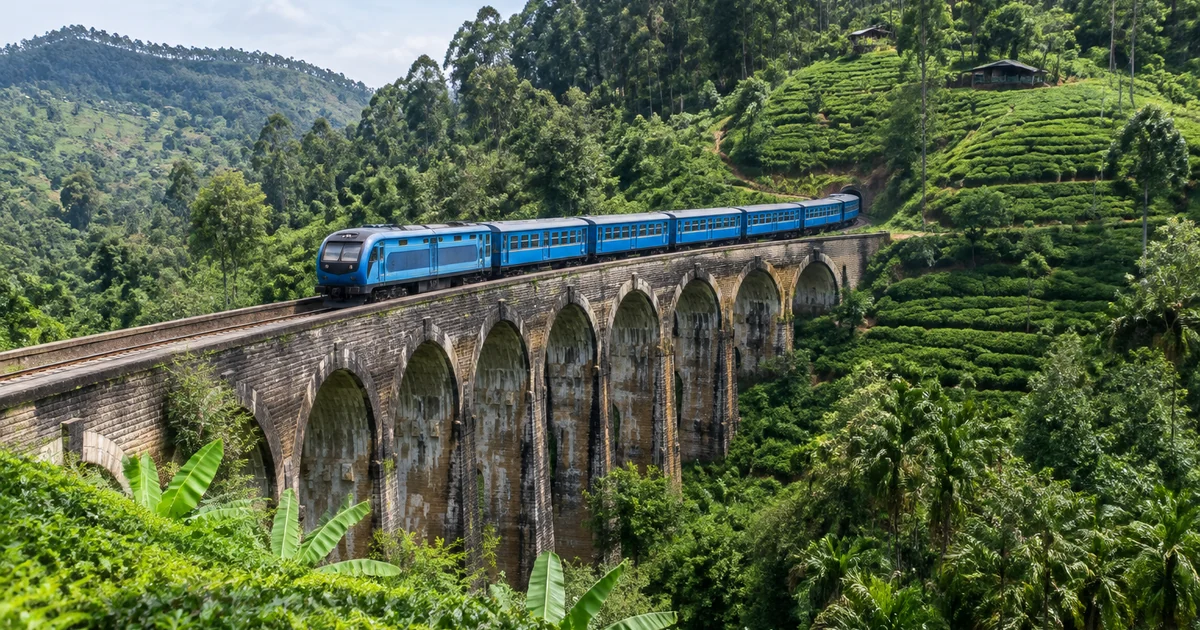
- Nuwara Eliya and Ella: tea estates, waterfalls and the famous hill country train.
- Yala or Udawalawe: a jeep safari for leopards or elephants.
- The south coast: beaches, whale watching (in season) and Galle Fort.
Step 4: Package or plan it yourself?
You have three main choices:
- A ready-made package: a set route with hotels, transport and sightseeing arranged. Many first-time visitors start with one of the Sri Lanka holiday packages offered by local operators and then adjust the route to suit their interests.
- A tailor-made private tour: you choose the places and the pace, and a local company arranges hotels and a car with a driver.
- Independent travel: trains, buses and tuk-tuks. It's cheaper, but slower and needs more planning.
For a first visit, a private car and driver is the most popular choice, because it saves time and lets you stop wherever you like. Local tour companies can arrange this around your dates.
Step 5: Sort out the practical details
- Visa: most visitors need an Electronic Travel Authorisation (ETA). Apply through the official ETA website before you travel.
- Money: the currency is the Sri Lankan rupee (LKR). Cards are accepted in hotels and larger shops, but carry cash for markets, tuk-tuks and temple entrances.
- SIM card: buy a local SIM or eSIM at the airport for maps and messaging.
- Dress: cover your shoulders and knees at temples, and remove your shoes and hat.
Step 6: Book in the right order
- Flights.
- Hotels for the busiest stops, such as Sigiriya, Ella and the south coast in peak season.
- Train seats if you want the hill country train, as reserved seats sell out.
- Safaris and whale watching, close to your travel dates.
What tourism and hospitality students can learn
- Itinerary design: how seasons, distances and pacing shape a route. This is a core skill in travel and tourism diplomas.
- Destination geography: why Sri Lanka's two monsoons create different seasons on each coast.
- Product types: the difference between packaged, tailor-made and independent travel, a key topic in tour operations modules.
- The customer journey: the order in which travellers book flights, hotels, trains and activities.
To explore courses in this field, see StudyWay's Hospitality & Events courses.
Frequently asked questions
How many days do I need for a first trip to Sri Lanka?
Ten days is ideal for the main highlights. Seven days works if you focus on fewer places.
What is the best month to visit Sri Lanka?
For the south and west coasts and the hill country, January to March is usually best. For the east coast, June to August.
Is it better to book a package or plan independently?
A package or tailor-made tour saves time and stress on a first visit. Independent travel suits those on a tight budget with more time.
Do I need a visa for Sri Lanka?
Most nationalities need an ETA, which you apply for online before travelling.
Which courses teach itinerary planning?
Travel and tourism management diplomas, hospitality and tourism degrees, and tour operations certificates usually include itinerary planning and destination geography.
Related tourism guides
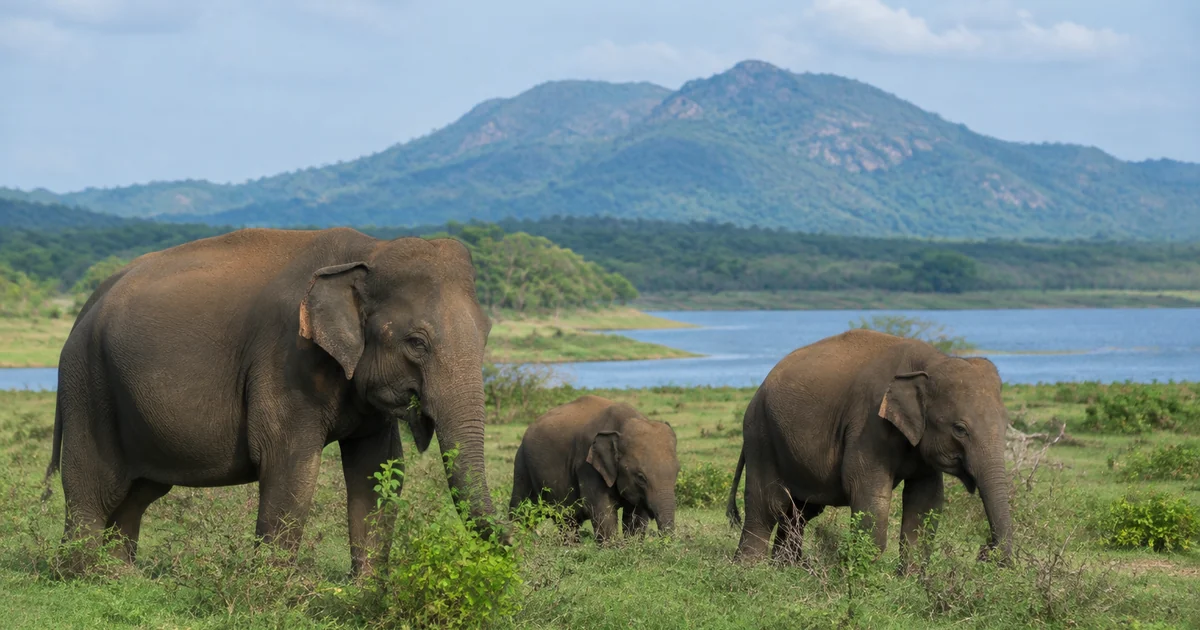
Sri Lanka's National Parks: A Study Guide to Wildlife, Conservation and Ecotourism
A study guide to Sri Lanka's national parks: Yala, Wilpattu, Udawalawe, Minneriya and Kumana, human-elephant conflict, ecotourism and responsible visiting.
Read guide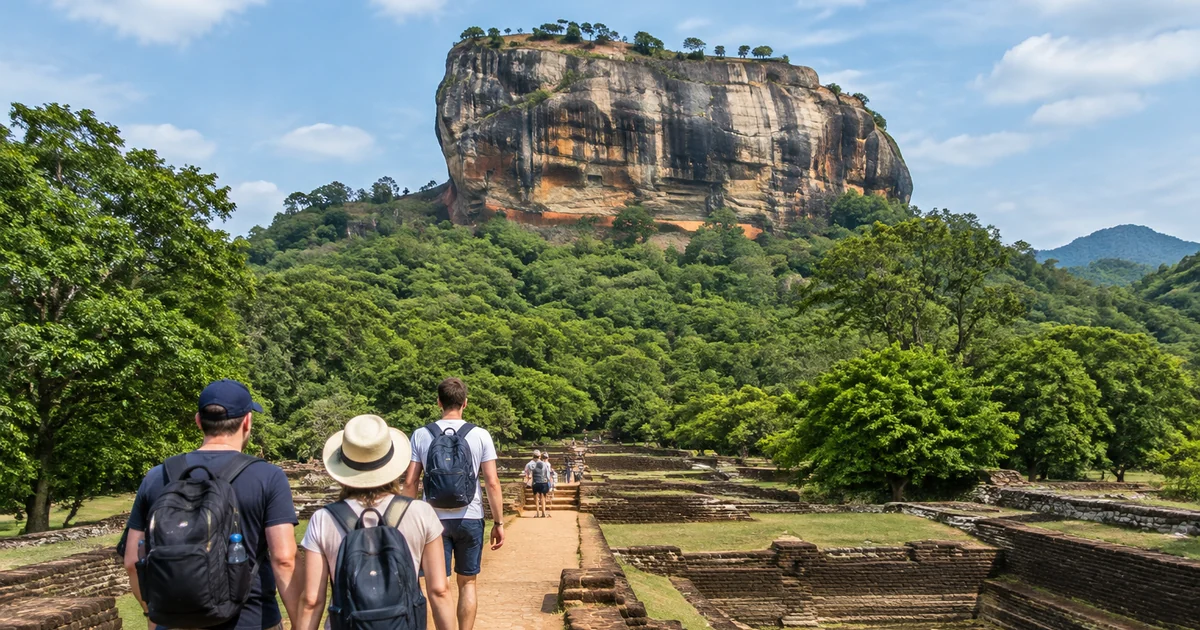
Sri Lanka Tourism Industry 2026: Statistics, Top Markets and Career Opportunities
Sri Lanka welcomed over 2.3 million tourists in 2025. Key statistics, the top source markets, industry trends and the careers and skills students need in tourism.
Read guide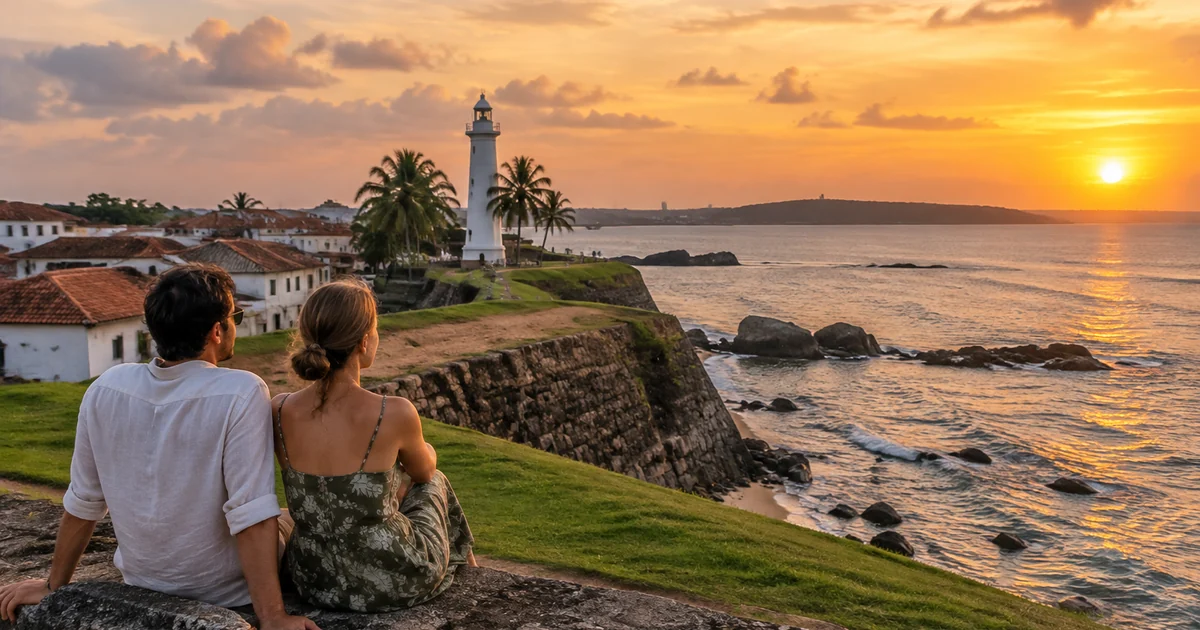
Romance and Honeymoon Tourism in Sri Lanka: The Most Romantic Places Explained
How romance and honeymoon tourism works in Sri Lanka: the most romantic destinations, the best seasons and what hospitality and tourism students can learn from this market.
Read guide