
Transport and Tourism in Sri Lanka: Trains, Buses, Tuk-Tuks and Drivers Compared
· 4 min read · StudyWay Editorial
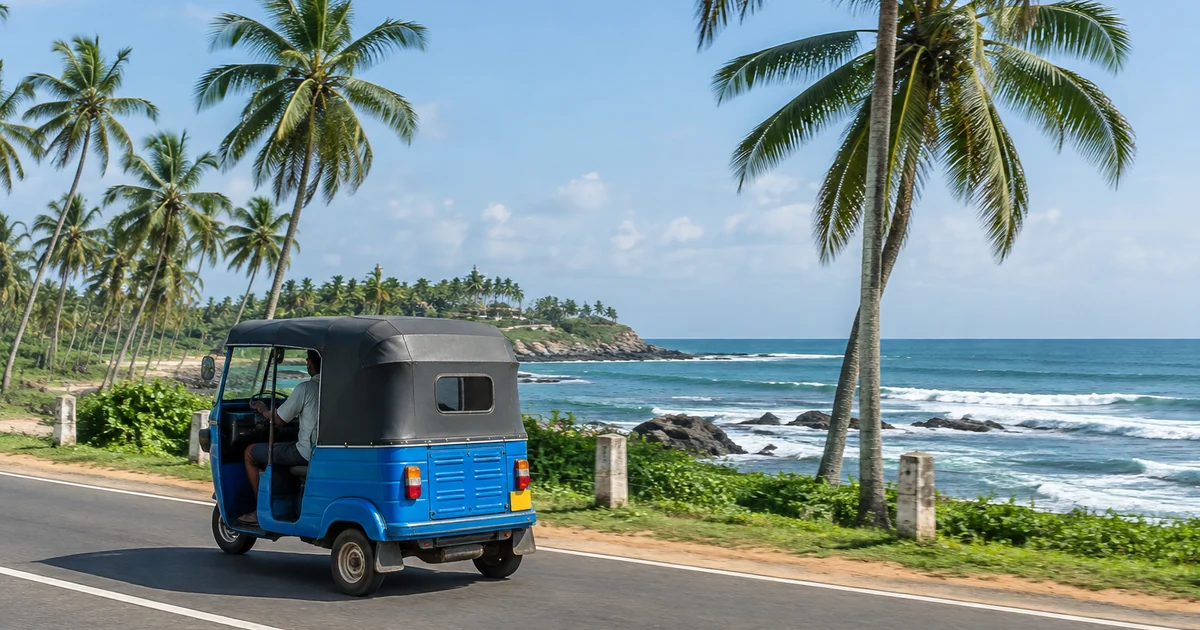
Quick answer: The main ways to get around Sri Lanka are trains (scenic, cheap, but slow and limited in where they go), intercity buses (very cheap and frequent but crowded), tuk-tuks and ride-hailing apps such as PickMe and Uber (best for short trips in towns), and a private car with a driver (the most comfortable and flexible option for multi-day trips). Most visitors use a mix.
Sri Lanka looks small on a map, but getting around takes longer than you might expect. Roads wind through hills and villages, and average speeds are low. Choosing the right transport for each part of your trip makes a big difference. Here's how the options compare.
Trains
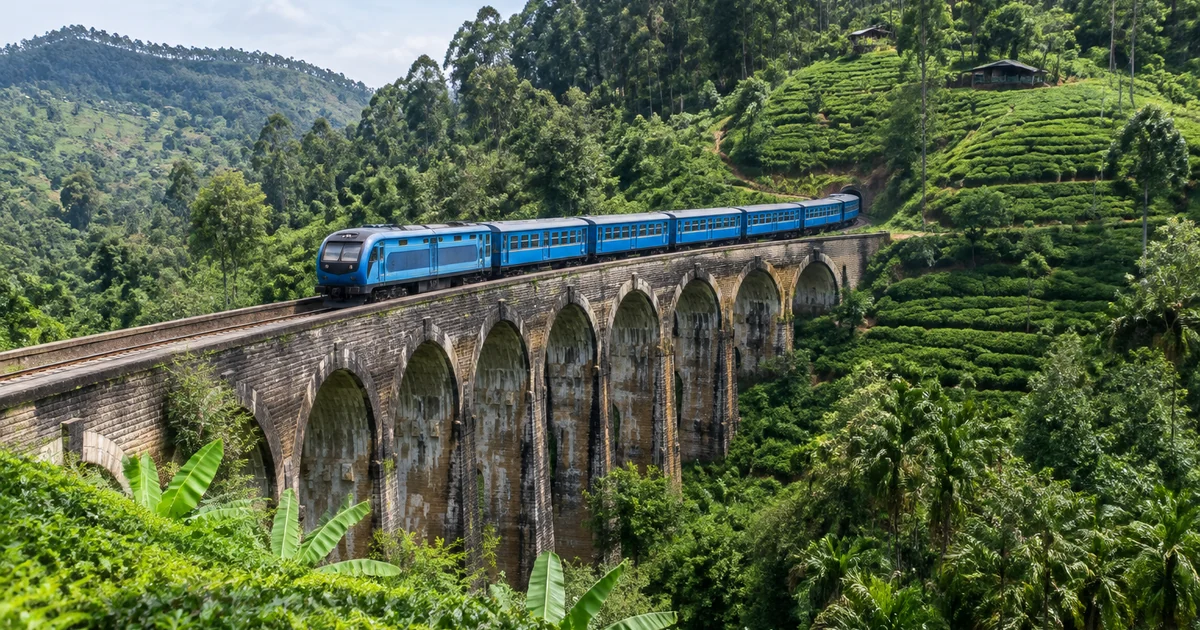
Sri Lanka's railway is one of the highlights of any trip. The main line from Colombo through Kandy to Ella and Badulla climbs through tea country and is considered one of the world's most scenic rail journeys. The coastal line from Colombo to Galle and Matara runs close to the sea.
- Pros: spectacular views, cheap, a real local experience.
- Cons: slow, timetables can change, and reserved seats sell out in busy seasons.
- Tip: check times and book seats in advance. The official timetable is published by Sri Lanka Railways.
Intercity buses
Buses go almost everywhere, from big cities to small villages. There are red government buses and private buses, and some air-conditioned intercity services on main routes and expressways.
- Pros: very cheap and frequent.
- Cons: crowded, fast driving, little space for luggage, and slow on local roads.
- Best for: budget travellers with light bags.
Tuk-tuks
The three-wheeled tuk-tuk is everywhere in Sri Lanka and is ideal for short distances.
- Pros: cheap, fun, easy to find.
- Cons: less comfortable for long trips, and open at the sides.
- Tip: use a metered tuk-tuk, or agree the price before you get in.
Ride-hailing apps
PickMe, a Sri Lankan app, and Uber operate in Colombo and other cities. You can book tuk-tuks, cars and vans, and see the fare upfront.
- Pros: clear prices, no bargaining.
- Cons: limited coverage outside cities, and you need a working local SIM.
Private car with a driver
For multi-day trips, many visitors book a private driver in Sri Lanka so they can stop wherever they like. Many drivers are also guides and can explain the sights along the way.
- Pros: door-to-door comfort, luggage stays in the car, a flexible route, and local knowledge.
- Cons: more expensive than public transport.
- Best for: families, couples, first-time visitors and anyone with limited time.
Self-driving
Visitors can drive with the correct permit, but most don't. Busy roads, fast buses, frequent overtaking and animals on the road make driving tiring for newcomers.
Which option suits which trip?
| Trip type | Best option |
|---|---|
| A first visit, 7 to 14 days | Private car and driver, plus one scenic train ride |
| A backpacking budget trip | Trains and buses, plus tuk-tuks in towns |
| A city day in Colombo | Ride-hailing apps or a tuk-tuk |
| A family with children | Private car and driver |
| A short beach stay | Airport transfer, then tuk-tuks locally |
Typical travel times
- Colombo to Kandy: about 3 to 3.5 hours by road, or about 2.5 to 3 hours by train.
- Kandy to Ella by train: about 6 to 7 hours.
- Colombo to Galle: about 1.5 to 2 hours on the Southern Expressway.
- Colombo airport to Sigiriya: about 3.5 to 4 hours by road.
What tourism and hospitality students can learn
- Transport geography: how roads and railways shape where tourists go.
- Rail tourism: why the hill country line is a tourist attraction in itself.
- Digital disruption: how ride-hailing apps changed urban transport.
- Matching transport to the market: why families, backpackers and luxury travellers choose differently.
To explore courses in this field, see StudyWay's Hospitality & Events courses.
Frequently asked questions
What is the best way to travel around Sri Lanka?
For most first-time visitors, a private car with a driver, combined with one scenic train journey.
Is the train in Sri Lanka worth it?
Yes, especially the hill country line between Kandy and Ella.
Do Uber and PickMe work in Sri Lanka?
Yes, in Colombo and other larger towns.
Can tourists drive in Sri Lanka?
Yes, with the correct permit, but most visitors prefer a driver because of the road conditions.
Is transport part of tourism studies?
Yes. Tourism transport, accessibility and travel time planning are standard topics in travel and tourism management courses.
Related tourism guides
How to Plan a Trip to Sri Lanka: An Itinerary Planning Guide for Tourism Students
Learn itinerary planning with Sri Lanka as a case study: seasons by region, trip length, route design, visas and booking order, explained for tourism students and travellers.
Read guide
Sri Lanka's National Parks: A Study Guide to Wildlife, Conservation and Ecotourism
A study guide to Sri Lanka's national parks: Yala, Wilpattu, Udawalawe, Minneriya and Kumana, human-elephant conflict, ecotourism and responsible visiting.
Read guide
Sri Lanka Tourism Industry 2026: Statistics, Top Markets and Career Opportunities
Sri Lanka welcomed over 2.3 million tourists in 2025. Key statistics, the top source markets, industry trends and the careers and skills students need in tourism.
Read guide