
Inbound vs Outbound Tourism: How Sri Lanka's Travel Companies Serve International Visitors
· 4 min read · StudyWay Editorial
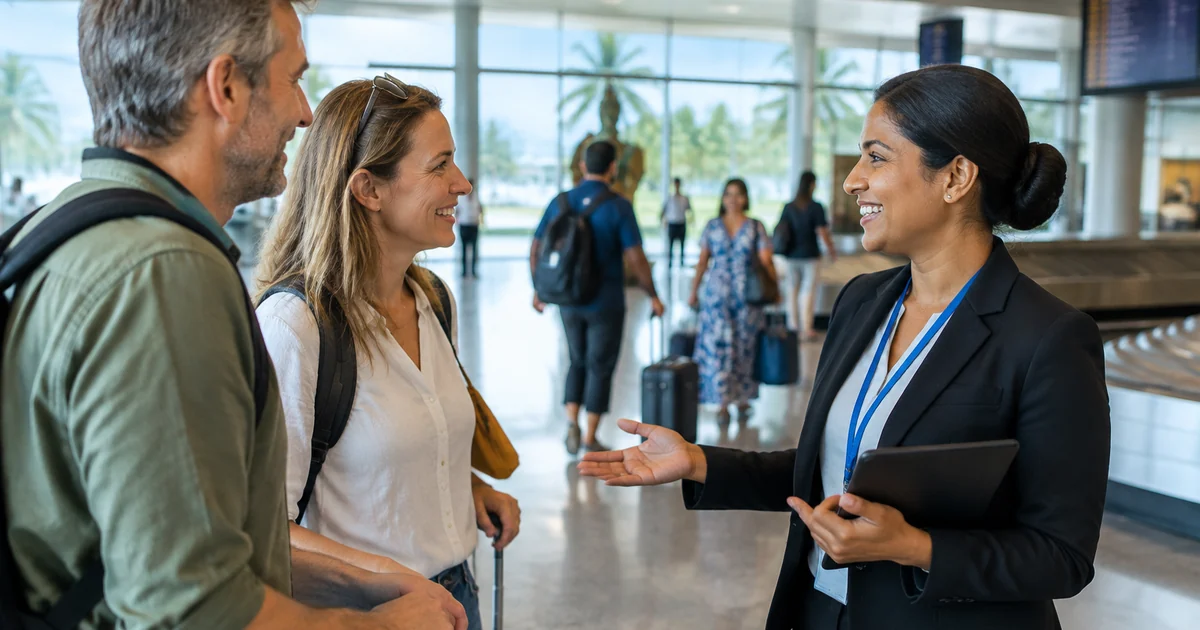
Quick answer: Inbound tourism means foreign visitors travelling into a country, and outbound tourism means residents travelling abroad. In Sri Lanka, inbound travel companies design and run trips for international visitors: they plan routes, book hotels, provide cars and chauffeur-guides, and support travellers on the ground. Outbound companies sell overseas holidays, flights and visas to Sri Lankans. Inbound tourism brings foreign income into the country, which is why it matters so much to the economy.
Tourism students often meet the terms "inbound", "outbound" and "domestic" tourism early in their studies. They sound simple, but they describe very different businesses with different customers, skills and challenges. Sri Lanka is a clear example of how inbound tourism works in practice.
The three types of tourism
- Inbound tourism: non-residents travelling into a country, for example a British family touring Sri Lanka.
- Outbound tourism: residents travelling out of their country, for example a Sri Lankan family holidaying in Thailand.
- Domestic tourism: residents travelling within their own country, for example a Colombo family visiting Nuwara Eliya over the New Year holidays.
All three matter, but inbound tourism is especially important for Sri Lanka because visitors spend foreign currency on hotels, transport, food and activities.
What does an inbound travel company do?
An inbound company is the local partner that turns a visitor's plans into a working trip. Its work includes:
- Designing itineraries: day-by-day routes that match the season, the traveller's interests and realistic drive times.
- Contracting suppliers: agreeing rates and availability with hotels, safari jeep operators, guides and restaurants.
- Ground handling: meeting guests at the airport, providing vehicles and chauffeur-guides, and managing the daily schedule.
- Customer support: solving problems on the road, such as cancelled trains, weather changes or illness.
- Working with overseas partners: many inbound companies also handle trips sold by travel agents abroad.
When travellers contact a travel agent in Sri Lanka directly, they deal with the same local team that will run their trip, rather than an overseas middleman.
Inbound company, DMC or tour operator?
These terms overlap:
- A destination management company (DMC) manages all the arrangements in one country, often for overseas agents.
- A tour operator designs and packages trips.
- A ground handler provides the on-the-ground services: transfers, guides and vehicles.
In Sri Lanka, many inbound companies do all three.
What does an outbound travel company do?
Outbound agencies serve local customers travelling abroad. They sell flights, overseas packages, visa assistance and travel insurance. Their work depends on airline systems, visa rules and partners in other countries. They are a big part of the travel industry in Colombo and other cities.
Why inbound tourism matters to Sri Lanka
- Foreign income: visitor spending brings in foreign currency.
- Jobs: hotels, transport, guiding, restaurants and handicrafts employ large numbers of people, many in rural areas.
- Regional development: tourism spreads income to places such as the hill country, the Cultural Triangle and the coasts.
- Promotion: good visitor experiences lead to recommendations and repeat visits.
What tourism and hospitality students can learn
- Tourism classification: the difference between inbound, outbound and domestic tourism, a core concept in every tourism course.
- The tourism value chain: how suppliers, operators and agents work together.
- Destination management: how inbound companies shape the visitor's experience of a country.
- Career paths: reservations, itinerary planning, ground operations, guiding, sales and marketing.
To explore courses in this field, see StudyWay's Hospitality & Events courses.
Frequently asked questions
What is inbound tourism?
Inbound tourism is when people from other countries visit a country, for example foreign tourists visiting Sri Lanka.
What is the difference between inbound and outbound travel agencies?
Inbound agencies look after foreign visitors arriving in the country. Outbound agencies sell trips abroad to local residents.
What is a ground handler?
A ground handler provides on-the-ground services such as airport transfers, vehicles, guides and daily arrangements.
Why is inbound tourism important for Sri Lanka?
It brings foreign income, creates jobs across the country and supports regional development.
Which courses cover inbound and outbound tourism?
Travel and tourism management diplomas, hospitality degrees and tour operations certificates all cover these topics.
Related tourism guides
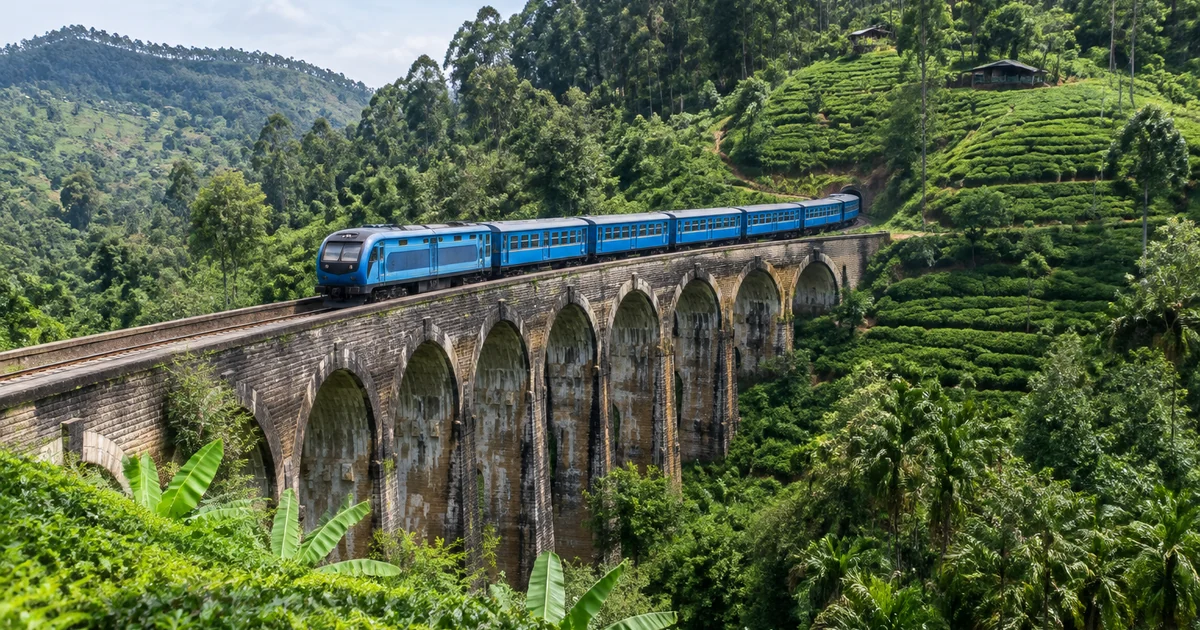
How to Plan a Trip to Sri Lanka: An Itinerary Planning Guide for Tourism Students
Learn itinerary planning with Sri Lanka as a case study: seasons by region, trip length, route design, visas and booking order, explained for tourism students and travellers.
Read guide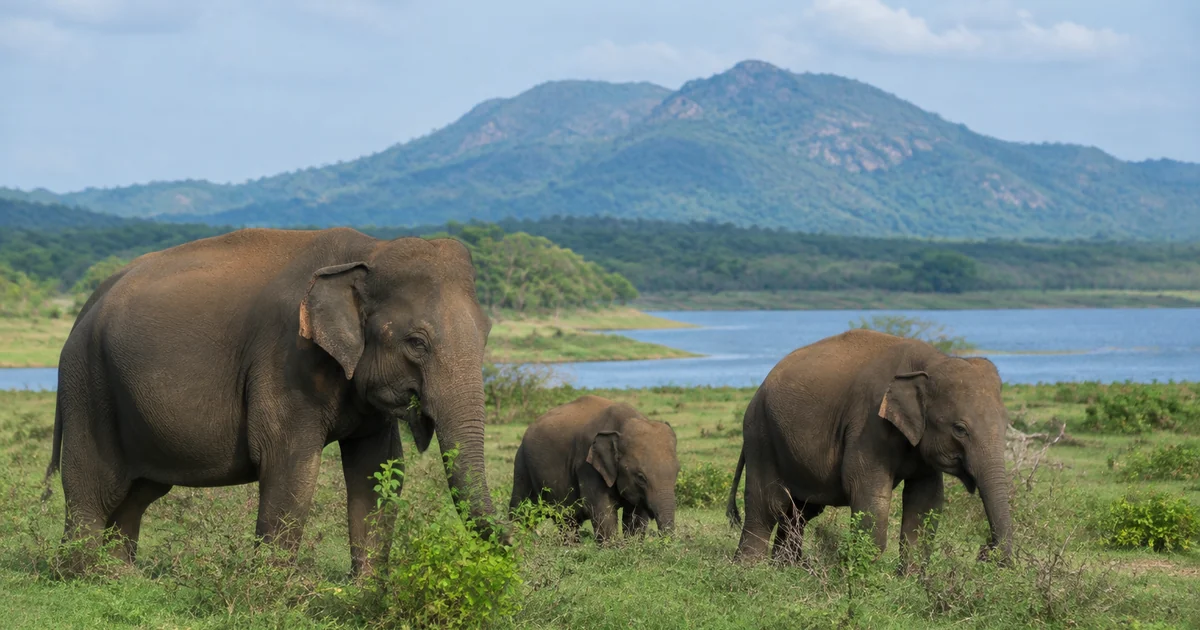
Sri Lanka's National Parks: A Study Guide to Wildlife, Conservation and Ecotourism
A study guide to Sri Lanka's national parks: Yala, Wilpattu, Udawalawe, Minneriya and Kumana, human-elephant conflict, ecotourism and responsible visiting.
Read guide
Sri Lanka Tourism Industry 2026: Statistics, Top Markets and Career Opportunities
Sri Lanka welcomed over 2.3 million tourists in 2025. Key statistics, the top source markets, industry trends and the careers and skills students need in tourism.
Read guide