
From Ceylon to Sri Lanka: A Short History of Tourism on the Island
· 4 min read · StudyWay Editorial
Quick answer: Visitors have come to Sri Lanka for over a thousand years, from Arab and Persian traders who called it "Serendib" to travellers such as Marco Polo and Ibn Battuta. Under Portuguese, Dutch and British rule, the island was known as Ceylon, and the British built the railways and tea estates that visitors still enjoy today. The country took the name Sri Lanka in 1972. Modern tourism grew strongly from the 1960s and, after difficult years, reached a record 2.33 million visitors in 2025.
Sri Lanka's tourism story is much older than package holidays. Understanding it helps explain why the island looks the way it does today, and why names such as "Ceylon" still appear in tea, hotels and travel brands.
Serendib: the island of early travellers
Long before modern tourism, Sri Lanka sat on busy sea trade routes between the Middle East, India and South-East Asia. Arab and Persian traders called it Serendib, the origin of the English word "serendipity". Buddhist pilgrims travelled to its sacred sites in Anuradhapura and Kandy.
Famous medieval travellers wrote about the island. Marco Polo described it in the late 13th century, and the Moroccan traveller Ibn Battuta climbed Adam's Peak in the 14th century. Pilgrimage, trade and curiosity made Sri Lanka one of the best-known islands in the Indian Ocean.
Colonial Ceylon
From the 16th century, European powers controlled parts of the island:
- The Portuguese arrived in the early 1500s and controlled coastal areas.
- The Dutch took over the coasts in the mid-1600s and greatly expanded Galle Fort.
- The British gained control from the late 1700s and ruled the whole island after taking Kandy in 1815.
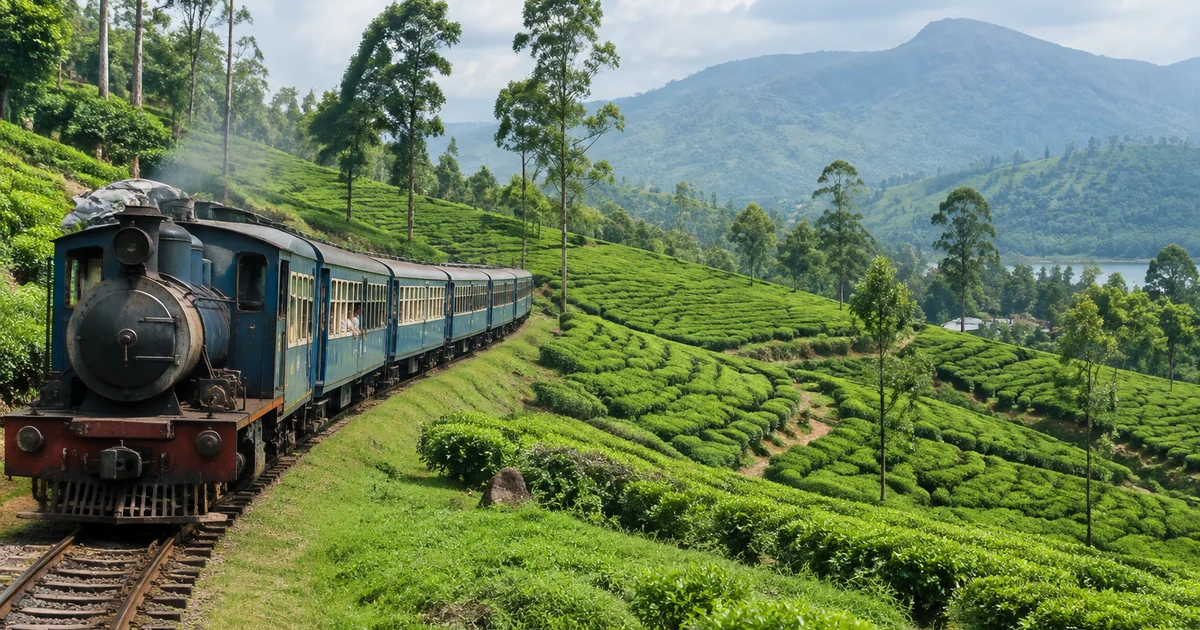
Under the name Ceylon, the island became famous worldwide. When disease destroyed the coffee crop in the late 19th century, planters switched to tea, and "Ceylon tea" became one of the world's best-known products. The British built railways into the hills to carry tea to Colombo. The same lines now carry visitors on one of the world's most scenic train journeys.
Hill stations such as Nuwara Eliya became cool retreats for colonial officials and planters, creating some of the island's earliest leisure tourism.
Independence and the birth of modern tourism
Ceylon became independent in 1948 and took the name Sri Lanka in 1972. From the 1960s, the government began to develop tourism as an industry, setting up a national tourist board and encouraging hotel building. Beach resorts on the west coast, cultural tours of the ancient cities and, later, the architecture of Geoffrey Bawa helped shape the island's image.
Difficult decades and recovery
Tourism has faced serious setbacks: the long civil conflict, which ended in 2009, the 2004 tsunami, the 2019 Easter attacks, the COVID-19 pandemic and the 2022 economic crisis. Each time, the industry recovered. After 2009, previously closed areas such as the north and east reopened to visitors.
Tourism today
According to official tourism statistics, Sri Lanka welcomed a record 2,333,797 visitors in 2025, with Europe the largest source region. Today's travellers combine the same attractions earlier visitors loved, such as sacred cities, tea country and beaches, with wildlife safaris, wellness and private tours. The old name lives on in tea brands, hotels and Sri Lanka tour operators that still use the word "Ceylon" in their names.
What tourism and hospitality students can learn
- Tourism history: how trade, pilgrimage and colonial infrastructure shaped today's destinations.
- Heritage tourism: why colonial and ancient sites are now major attractions.
- Destination branding: how names such as "Ceylon" are still used in tea, hotels and travel companies.
- Resilience: how a tourism industry recovers from conflict, disasters and economic crises.
To explore courses in this field, see StudyWay's Hospitality & Events courses.
Frequently asked questions
When did Ceylon become Sri Lanka?
The country took the name Sri Lanka in 1972.
What does "Serendib" mean?
It was the name Arab and Persian traders used for the island. It gave English the word "serendipity".
Why is Sri Lankan tea called Ceylon tea?
Tea became a major crop when the island was called Ceylon, and the name is still used as a mark of origin.
How many tourists visit Sri Lanka today?
A record 2,333,797 visitors came in 2025, according to official tourism statistics.
Is tourism history part of tourism studies?
Yes. Many tourism and hospitality courses include the history and development of tourism destinations.
Related tourism guides
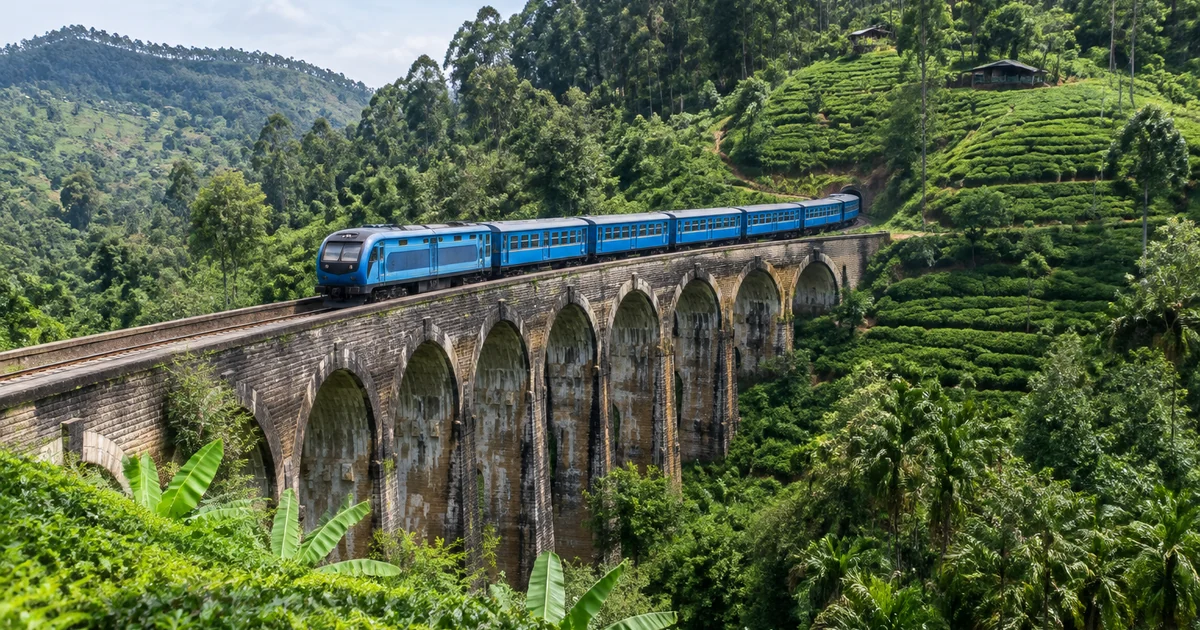
How to Plan a Trip to Sri Lanka: An Itinerary Planning Guide for Tourism Students
Learn itinerary planning with Sri Lanka as a case study: seasons by region, trip length, route design, visas and booking order, explained for tourism students and travellers.
Read guide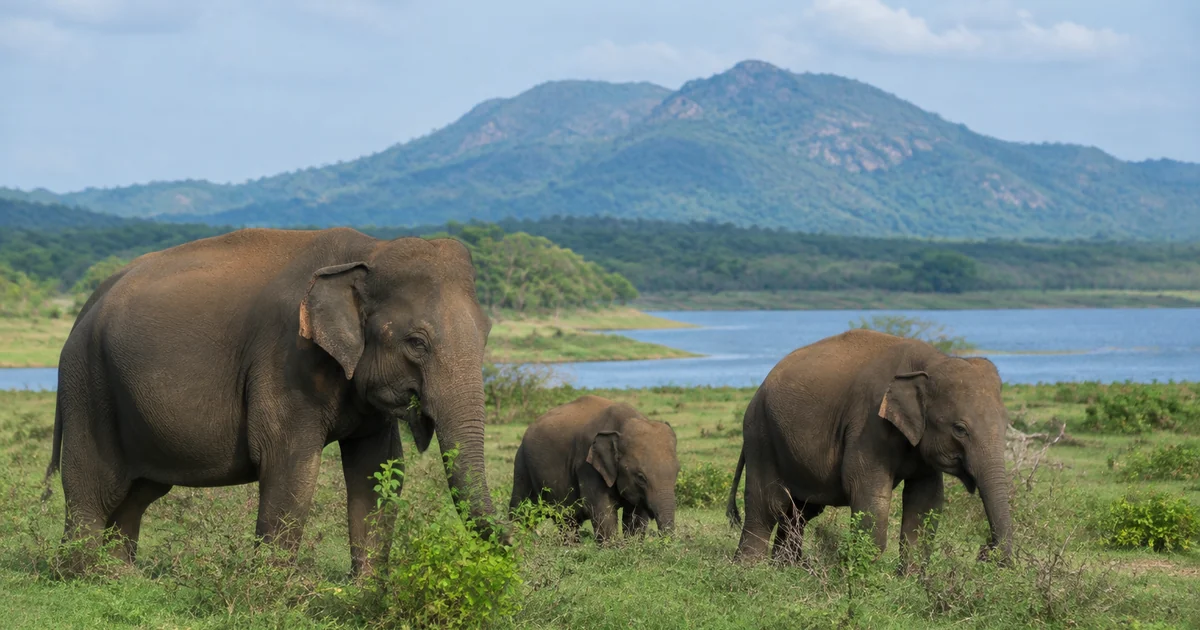
Sri Lanka's National Parks: A Study Guide to Wildlife, Conservation and Ecotourism
A study guide to Sri Lanka's national parks: Yala, Wilpattu, Udawalawe, Minneriya and Kumana, human-elephant conflict, ecotourism and responsible visiting.
Read guide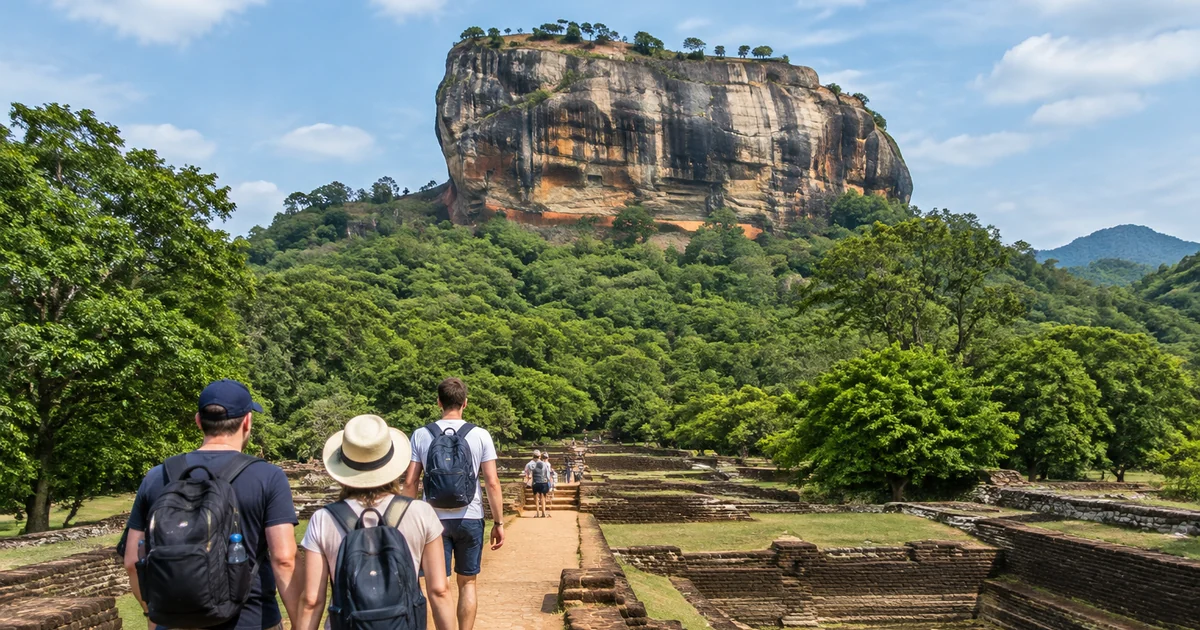
Sri Lanka Tourism Industry 2026: Statistics, Top Markets and Career Opportunities
Sri Lanka welcomed over 2.3 million tourists in 2025. Key statistics, the top source markets, industry trends and the careers and skills students need in tourism.
Read guide