
Tourism has always been one of Sri Lanka's great strengths. Few countries can offer ancient cities, misty tea hills, wild elephants, leopards, whales and golden beaches all within a few hours' drive. Today, that strength is turning into one of the biggest opportunities for young Sri Lankans looking for a career.
With the main tourist season now underway, it is a good moment to look at how the industry works, what kinds of jobs it creates, and how you can prepare to be part of it.
An industry on the rise
Sri Lanka welcomed a record of around 2.36 million tourists in 2025, and the national target for 2026 is 3 million. January and February 2026 were the busiest months the country has ever recorded, with close to 280,000 visitors in each.
Tourism is one of Sri Lanka's most important sources of foreign income, and its benefits reach far beyond the big hotels. Every visitor spends money on drivers, guides, restaurants, homestays, shops, spice gardens, tea factories and small businesses in towns and villages across the island.
What a visitor's trip looks like today
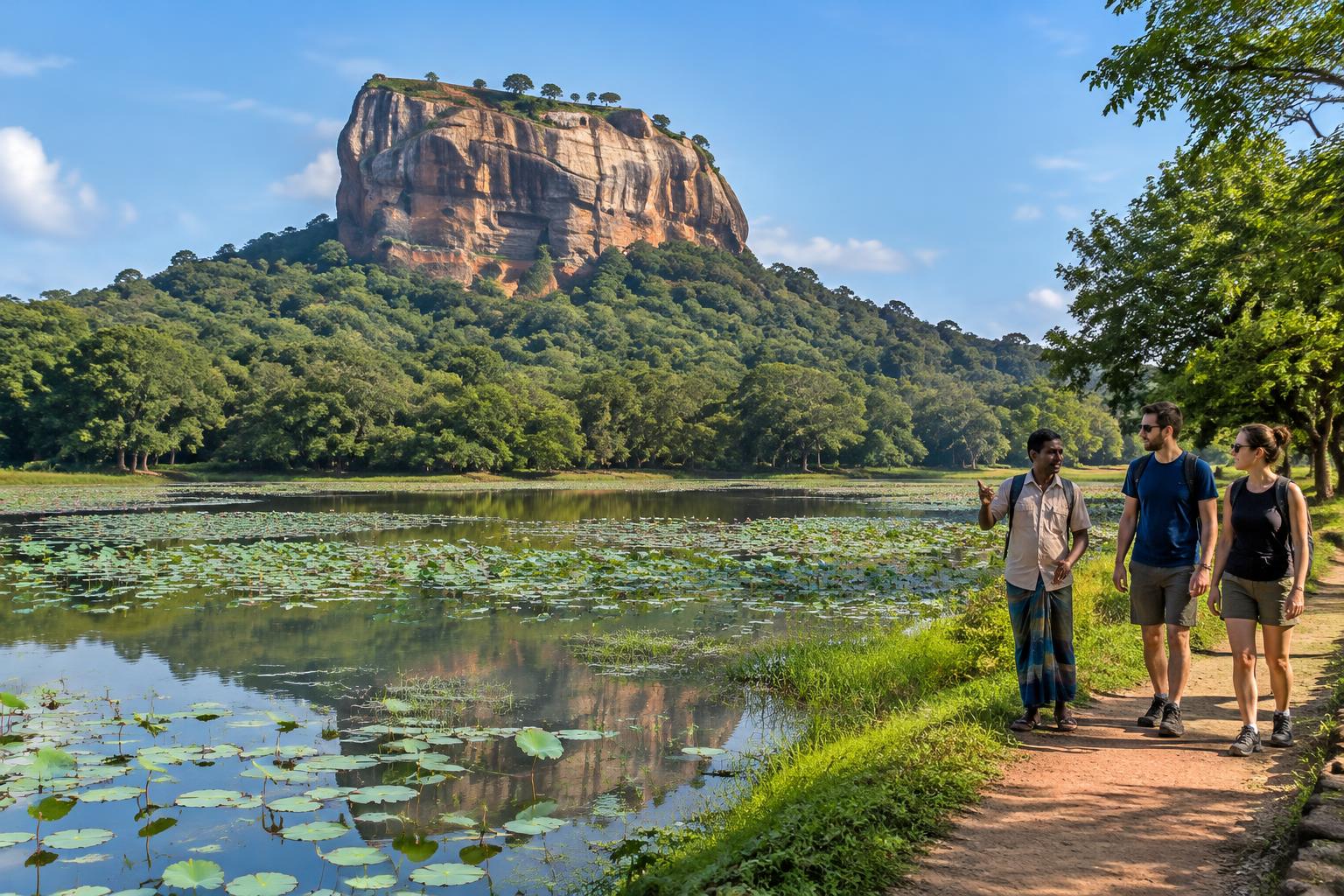
A typical holiday to Sri Lanka now combines several experiences in one journey: climbing Sigiriya at sunrise, visiting the Temple of the Tooth in Kandy, riding the train through tea country to Ella, a safari in Yala or Udawalawe, and a few days on the south coast. Most travellers stay ten to fourteen days and move around the island with a private car and driver.
Every one of those days involves Sri Lankans: the person who planned the route, the driver, the guide at the ancient city, the hotel team, the chef, the safari tracker and the boat crew. Each of these is a job, and each is a possible career.
How the industry works behind the scenes
Many foreign travellers plan their trip through a Sri Lanka tour agency, which puts together the route, books hotels, arranges a vehicle and driver, and supports guests throughout the journey. Behind each booking is a chain of local partners: hotels, transport providers, guides, restaurants and activity operators, all working together to give visitors a smooth experience.
Understanding this chain is useful for anyone entering the industry. It shows how many different skills tourism needs, and how one well-planned trip creates work for dozens of people.
Jobs available in Sri Lanka tourism
The tourism and hospitality sector offers jobs at every level, from entry roles to management. Some of the most common include:
- Travel consultant or tour planner: designing itineraries, handling enquiries from abroad and coordinating bookings.
- Chauffeur guide: driving visitors around the island and sharing local knowledge along the way.
- Tour guide: licensed national and area guides who lead visitors through heritage sites, temples and cities.
- Naturalist or safari guide: working in national parks, wildlife lodges and eco-tourism projects.
- Hotel front office and reservations: the first point of contact for guests.
- Chef and kitchen staff: from Sri Lankan rice and curry to international cuisine in resorts.
- Food and beverage service: restaurant, bar and banquet teams in hotels and restaurants.
- Housekeeping and guest relations: keeping guests comfortable and solving problems quickly.
- Spa and wellness therapist: a growing area, especially in Ayurveda resorts.
- Digital marketing and sales: social media, online bookings and reviews for hotels and travel companies.
Many of these roles also open doors abroad, as Sri Lankan hospitality staff are valued in the Maldives, the Middle East and beyond.
Getting qualified
The right training makes a big difference to where you start and how fast you grow. Sri Lanka has tourism and hospitality courses for every level, from short certificates and NVQ programmes to diplomas, international qualifications and degrees in hotel and tourism management.
On StudyWay.lk you can compare hospitality and tourism courses in Sri Lanka side by side, including institutes, course levels, durations and the latest intakes, so you can choose the programme that fits your goals.
Skills that will help you succeed
- Communication: good English, and a second language such as German, French, Russian, Chinese or Hindi, is a real advantage.
- Customer care: patience, a friendly attitude and the ability to solve problems calmly.
- Local knowledge: knowing Sri Lanka's history, culture, food and places makes you valuable to visitors.
- Digital skills: booking systems, email and social media are part of almost every tourism job today.
Be part of Sri Lanka's tourism story
Tourism is more than an industry. It is how the world sees Sri Lanka. Every guide, driver, chef and hotel team member helps shape the memories visitors take home and the stories they share with others.
If you enjoy meeting people, love your country and want a career with real opportunities to grow, tourism could be the right path for you. Start by exploring the courses available, choose the area that excites you, and get ready to welcome the world to Sri Lanka.
Explore tourism courses